Should You Rent or Buy in Toronto? How to Actually Run the Numbers
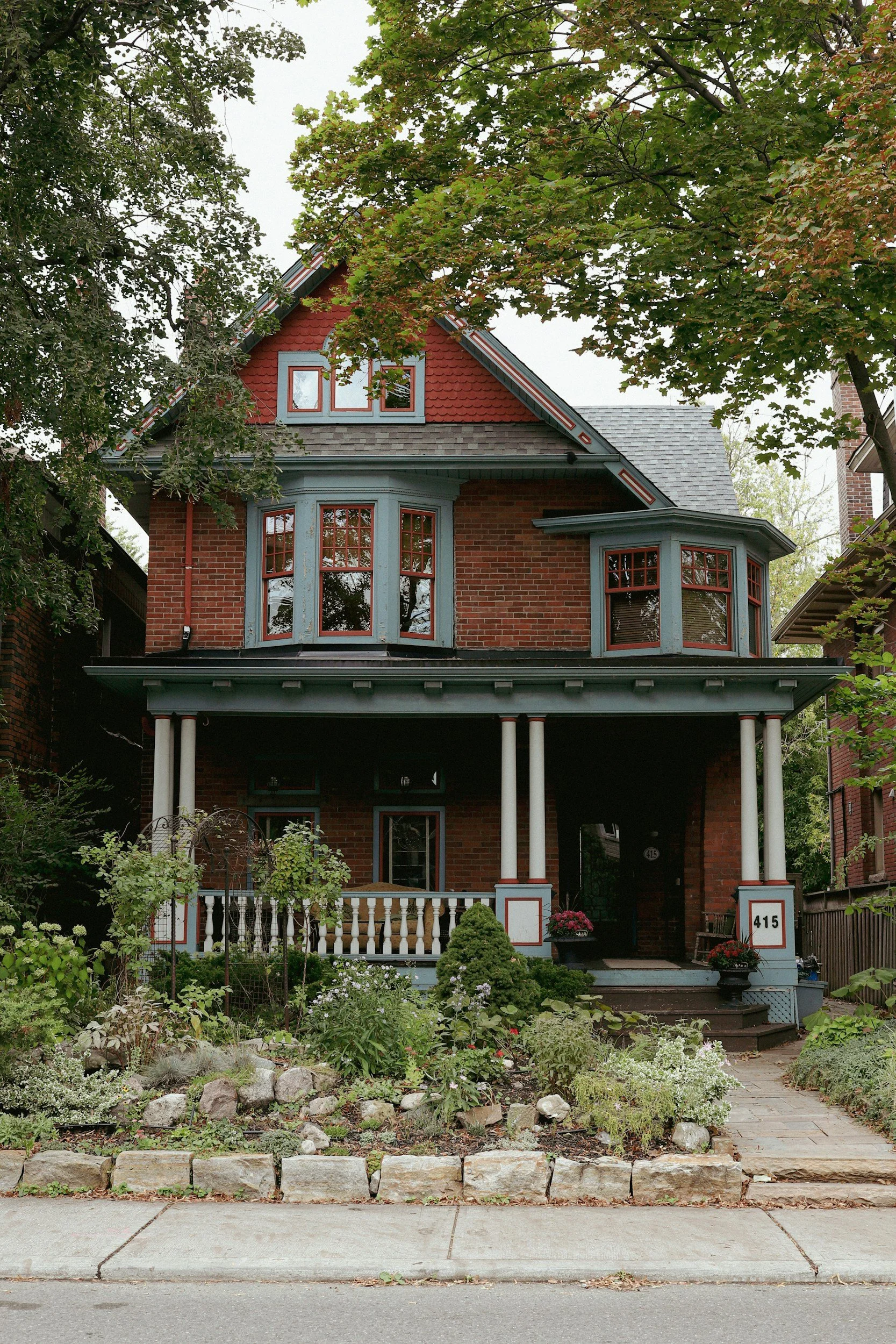
Rent or buy in Toronto is the question behind half the real estate conversations in this city, and most takes on it are selling something: agents selling buying, personal-finance influencers selling renting-and-investing. The honest answer is that it depends on your numbers and your horizon, and you can actually work it out. Here's the framework, without the hype.
The rent or buy math, done honestly
The classic mistake is comparing rent against a mortgage payment. That's not the comparison. A chunk of your mortgage payment builds equity, so it's forced savings, not a cost. The real comparison is rent versus the unrecoverable costs of owning:
Mortgage interest (not principal)
Property tax
Maintenance (condo fees, or 1 to 2 percent of home value yearly for freeholds)
Insurance, and the one-time costs of getting in and out: land transfer tax, legal fees, commissions
Opportunity cost: what your down payment could earn invested elsewhere
If rent on a comparable home is meaningfully cheaper than those combined ownership costs, renting and investing the difference is a legitimate wealth-building strategy, if you actually invest the difference. If the gap is small or negative, owning tends to win over time, because it locks housing costs and builds equity by default.
The variables that swing the answer
Time horizon: transaction costs are heavy in Toronto (land transfer tax alone stings). Under roughly five years, renting usually wins because buying and selling eat the equity. Past five to ten, ownership's advantages compound
Rate environment: higher borrowing costs tilt the math toward renting; lower ones toward buying. Run today's numbers, not 2021's or a prediction of next year's
Your rent: a below-market or rent-controlled unit raises the bar buying has to clear
Discipline: the rent-and-invest strategy only works with the investing part. Ownership's secret advantage is that it forces the saving
The part that isn't math
A home is also just your home. Stability for kids' schools, freedom to renovate, no landlord deciding your future, and the psychological weight of each: these are real values that don't fit a spreadsheet, and lifestyle should lead if you're the one living there. It cuts both ways. Renting buys flexibility to change neighbourhoods, cities, or careers on short notice, and for some stages of life that flexibility is worth more than equity.
What shouldn't drive the decision is fear: fear of being priced out forever, or fear of buying right before a dip. Timing the market is not a reliable strategy in either direction. Buy when your finances and your five-plus-year plan support it. That's the whole trick.
A quick sanity check you can do today
Find three listings comparable to where you'd want to own. Estimate the monthly unrecoverable costs at current rates (a mortgage calculator, the property tax from the listing, realistic maintenance). Compare against the rent for the same quality of home. That one exercise, with real Toronto numbers, tells you more than any national headline about whether it's "a good time to buy."
Mortgage rates and qualifying rules change. Talk to a mortgage broker for personalized numbers. Nothing here is financial advice; it's a framework for your own decision.
Common mistakes
Comparing rent to full mortgage payments and concluding renting is throwing money away
Ignoring opportunity cost on the down payment
Buying with a two-year horizon and paying two rounds of transaction costs for it
Renting "to invest the difference" and never investing the difference
Letting headlines, in either direction, override your own arithmetic
If you want to run your actual rent-or-buy numbers together, reach out and we can set up a discovery call. If buying looks like your path, my Home Buyer Guide is the next read.