What Does Tarion Cover? Ontario's New Home Warranty Explained
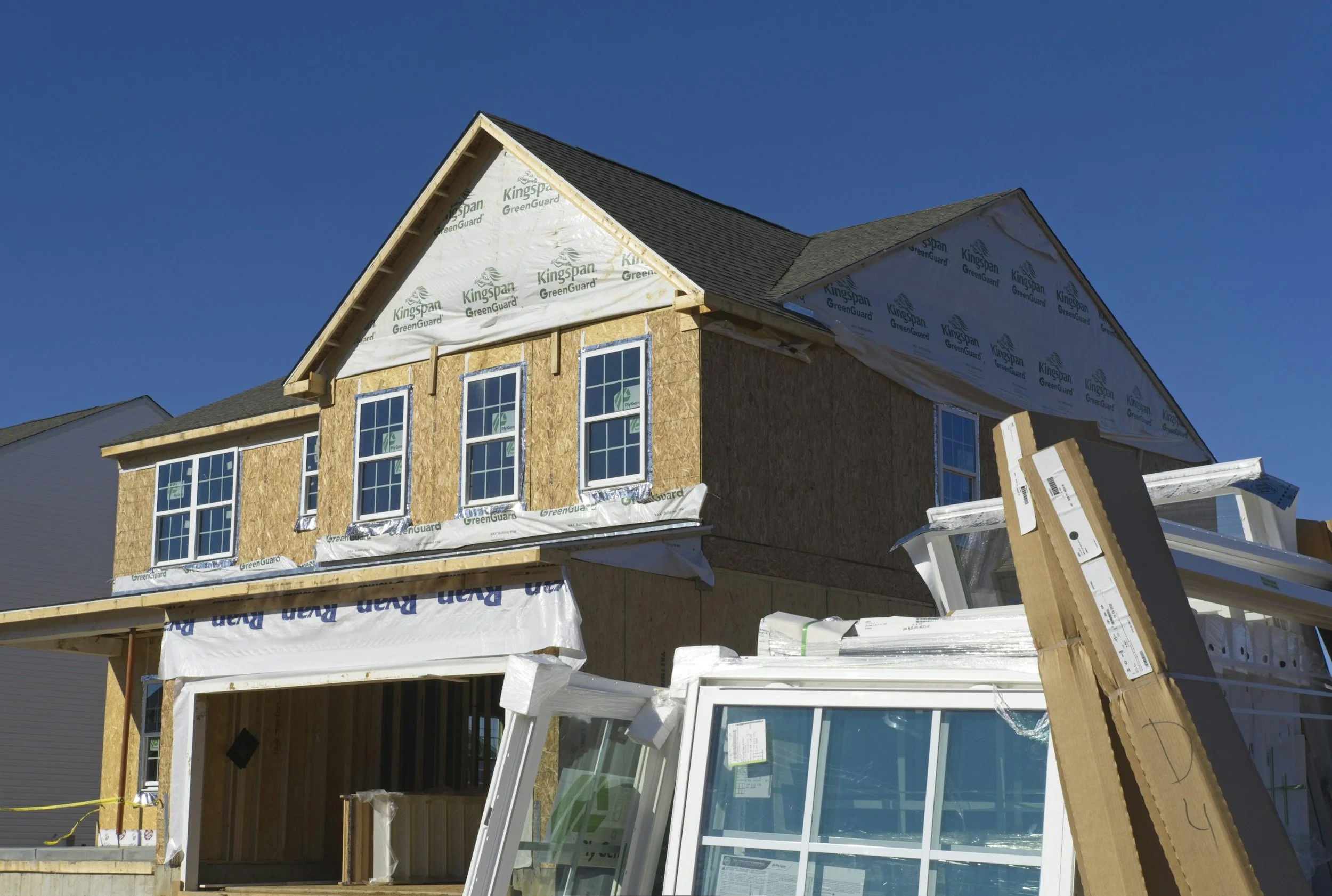
Buy a new-build home in Ontario and you automatically get a warranty backed by Tarion, whether the builder advertises it or not. But what does Tarion cover, exactly? Less than some buyers hope, more than skeptics assume, and always on deadlines that punish the unprepared. Here's the plain-English version.
What Tarion covers, by year
Ontario's new home warranty runs on a 1, 2, 7 structure:
One year: defects in workmanship and materials, and the home must be fit to live in. The broadest coverage, and the window where most claims happen
Two years: defects in electrical, plumbing, and heating delivery systems, exterior cladding issues, and water penetration through the building envelope
Seven years: major structural defects, the serious stuff affecting load-bearing elements or making the home unusable
Coverage applies to new freehold homes and condo units from licensed builders. For condos, there's also separate coverage for the building's common elements, claimed by the condo corporation rather than individual owners. Full details live at Tarion, and builder licensing itself is handled by the HCRA.
What Tarion doesn't cover
Manage expectations here. The warranty generally excludes:
Normal wear, shrinkage, and settling within tolerances (the hairline drywall cracks of a drying house)
Damage from poor maintenance or alterations you made
Appliances and items with their own manufacturer warranties
Contractual disappointments like a finish that looks different than the showroom, if it meets the spec in your agreement
Damage from floods or acts of God
A good chunk of warranty frustration comes from expecting Tarion to police the purchase agreement. It polices construction standards, which is narrower.
Deposit protection and delayed closings
Beyond construction defects, Tarion coverage includes deposit protection (with different structures for freehold homes and condos, and dollar limits worth confirming for your situation) and compensation for qualifying closing delays when the builder misses dates outside the permitted extensions in your agreement. Delay compensation has caps and paperwork requirements, so track your dates and keep everything in writing.
How claims actually work
The process runs on forms and deadlines:
Before closing, you do a pre-delivery inspection (PDI) with the builder, documenting every visible defect. Take it seriously and write everything down, even the scratch you're told will be fixed next week
In your first 30 days, you can submit a form listing outstanding items
Near the end of year one, a second form catches everything that emerged over the seasons
The builder gets repair periods; unresolved items can go to Tarion for conciliation
Miss a submission window and you can lose leverage on items that would have been covered. Calendar the deadlines the day you get your occupancy or closing date.
This is a general overview, not legal advice. Coverage limits and processes change. Confirm current details with Tarion and your lawyer.
Common mistakes
Rushing the PDI or letting the builder's rep hurry you past deficiencies
Reporting issues by phone or hallway chat instead of the official forms
Missing the 30-day or year-end windows entirely
Assuming cosmetic disappointment equals warrantable defect
Forgetting the condo corporation, not you, claims common element issues
Buying new can be a great path, especially with a builder whose track record you've checked. If you're considering a new build and want help vetting the project, reach out. Need a lawyer experienced with new-home purchases? Contact me and I can recommend someone.